

Hydroseeding / Hydromulching
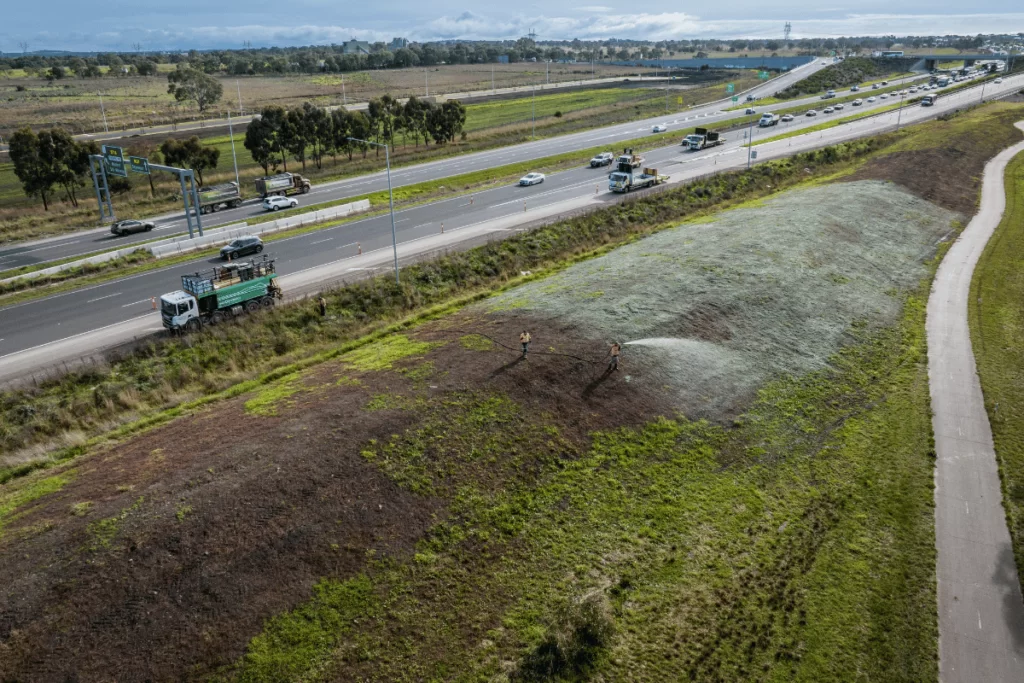
Our hydroseeding and hydromulching service offers exceptional results with top-quality materials and competitive pricing. We can handle various grass types and erosion control. You can trust us to solve any problem.
Get a quote or enquireWhat is hydroseeding, and when’s it used?
You may see the terms hydroseeding and hydromulching used interchangeably, but they have different applications and suitability.
- Hydroseeding uses water as a carrier to apply seeds and fertiliser onto the seedbed. In comparison, hydromulching adds a fibre-mulch to the seed, fertiliser, and water mixture. They’re both cost-effective alternatives to many other environmental site control solutions.
- We have a team of green-thumbed horticultural and engineering experts who know what you need. Plus, we’ve got the equipment to deliver any project type. We’ve got you covered.
Applications
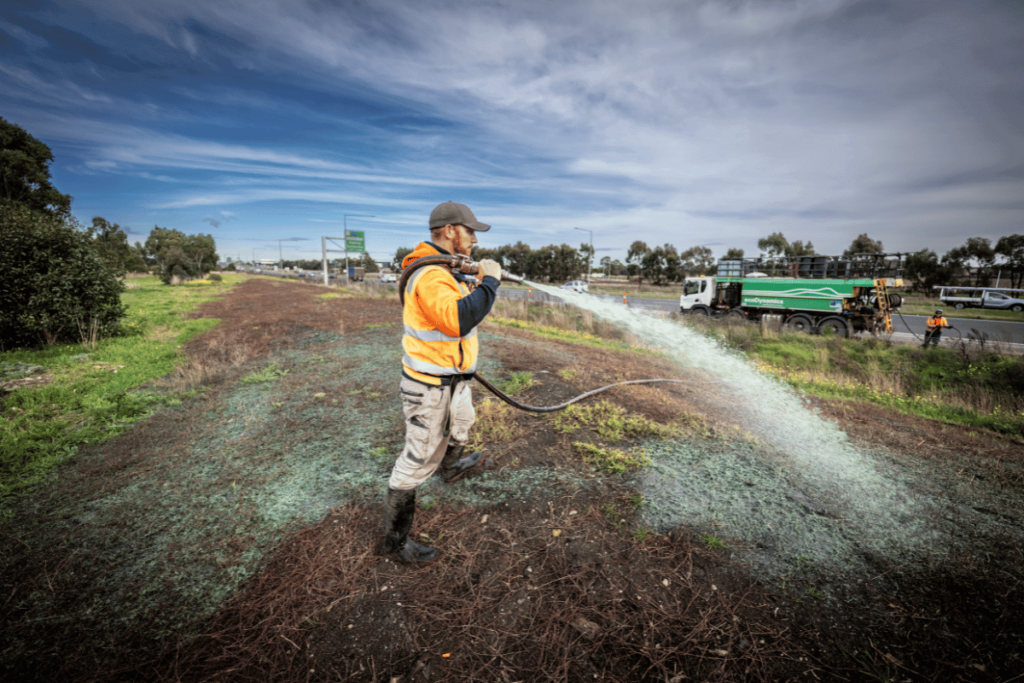
Hydroseeding and hydromulching
These solutions protect soil from erosion caused by rain and wind, making it ideal for lawns, sports areas, parks, slopes, quarries, and mines. It's also useful for construction sites, farms, tailing dams, exposed slopes, dam walls, and stockpiles.
When you present us with your problem, we’re good at solving it. You’ll get the best hydromulching/hydroseeding outcome at the right price.
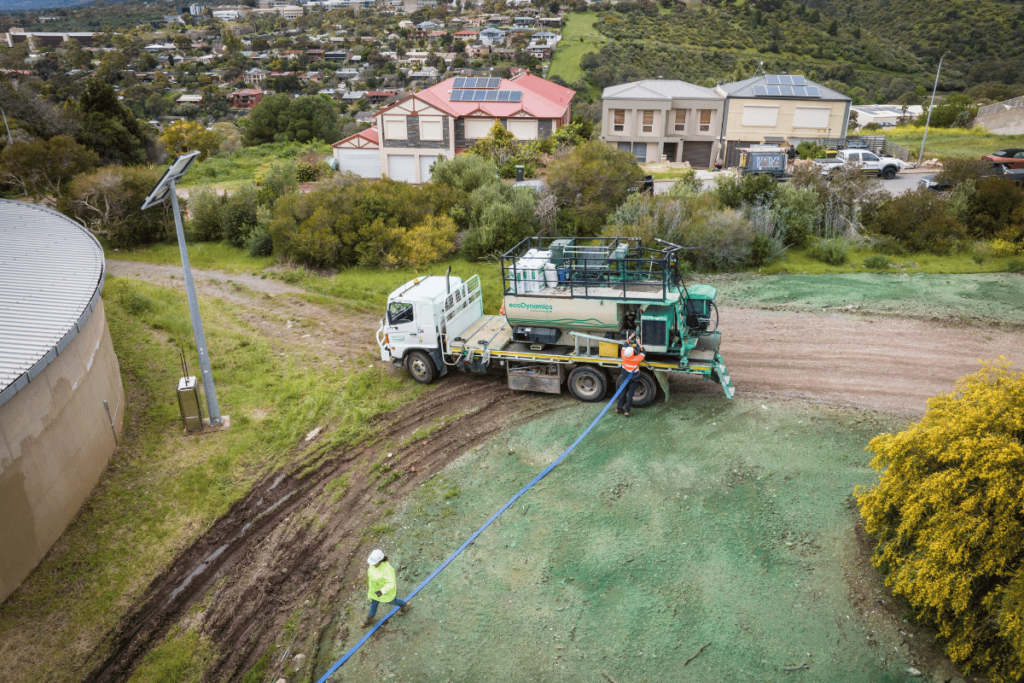
Exotic grass mix
We can do a range of different exotic grass mixes, roadside and dry mix. Hydroseeding / hydromulching is more effective and efficient than traditional seeding methods. You’ll have a beautiful, healthy landscape in no time.
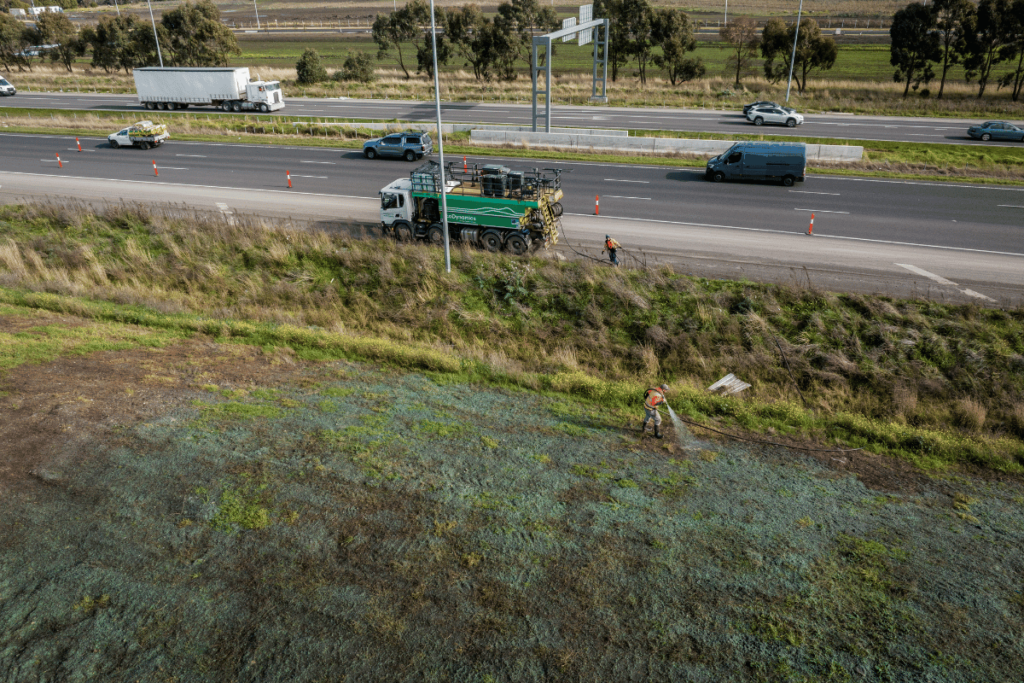
Native seed
Recent years have seen an explosion in the installation of Australian native grasses. Because more people are understanding of the impacts of urban development on our indigenous landscapes.
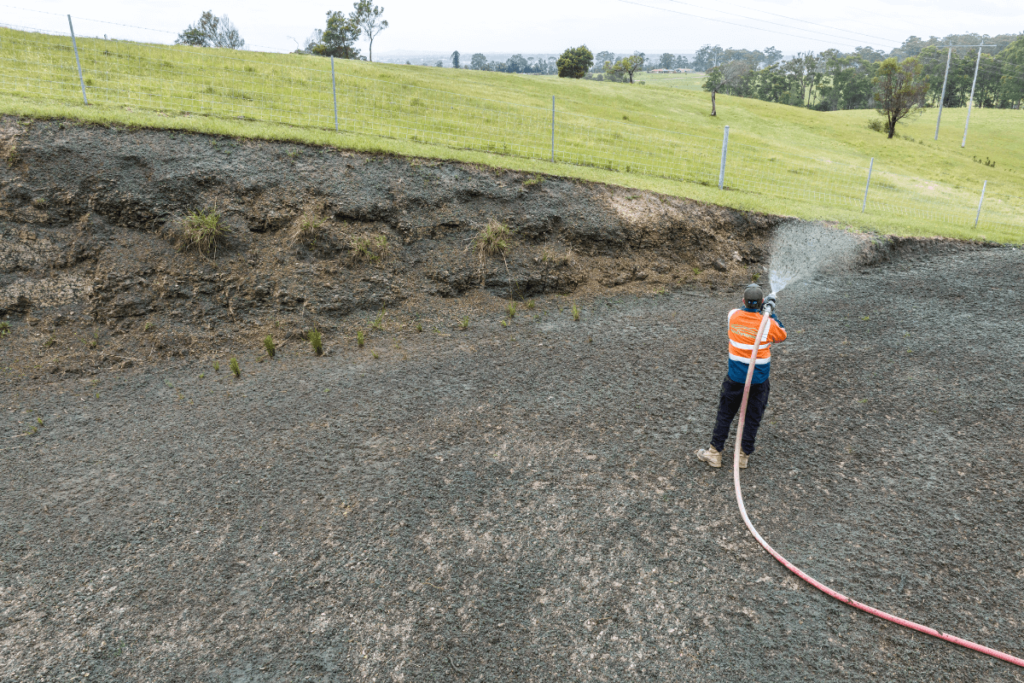
Erosion control
Our products are sprayed directly onto the exposed surface of the material requiring treatment - there is no drying or setting time as the product works instantaneously.
-
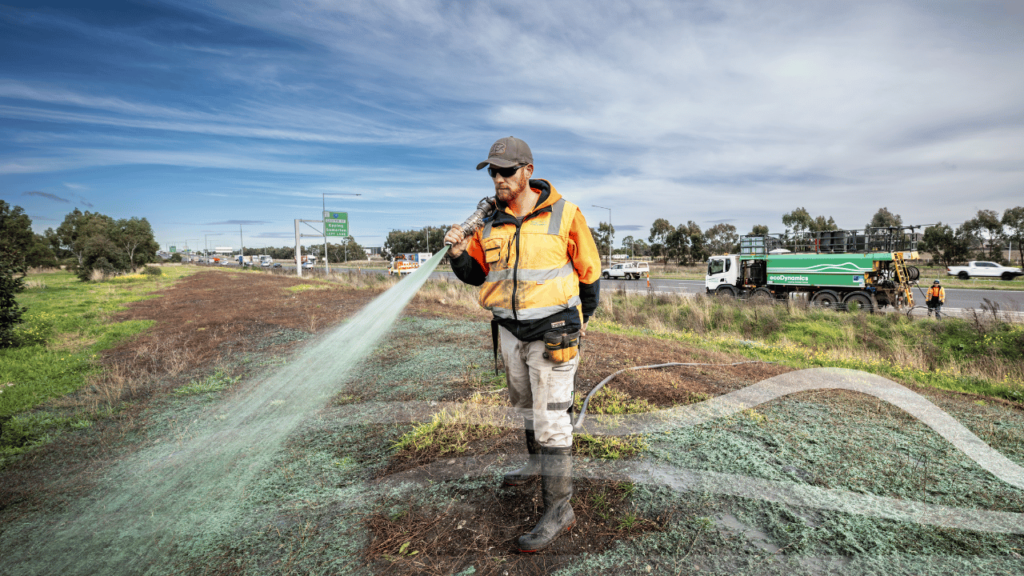

Explore the potential of our hydroseeder / hydromulcher
Ready to understand hydroseeding / hydromulching better? This video breaks down the process, gives an overview and will answer your questions.
Project case studies
We’ve worked on all sorts of jobs, big and small, and you can check them out in our case studies and completed projects. Need help with your own project? Reach out to us, we’re here to find solutions for you.

Contact details